Coffee that tastes like where it grew.
We buy direct from 21 producers, roast in Melbourne twice a week, and print the farm, the altitude and the score on every bag.
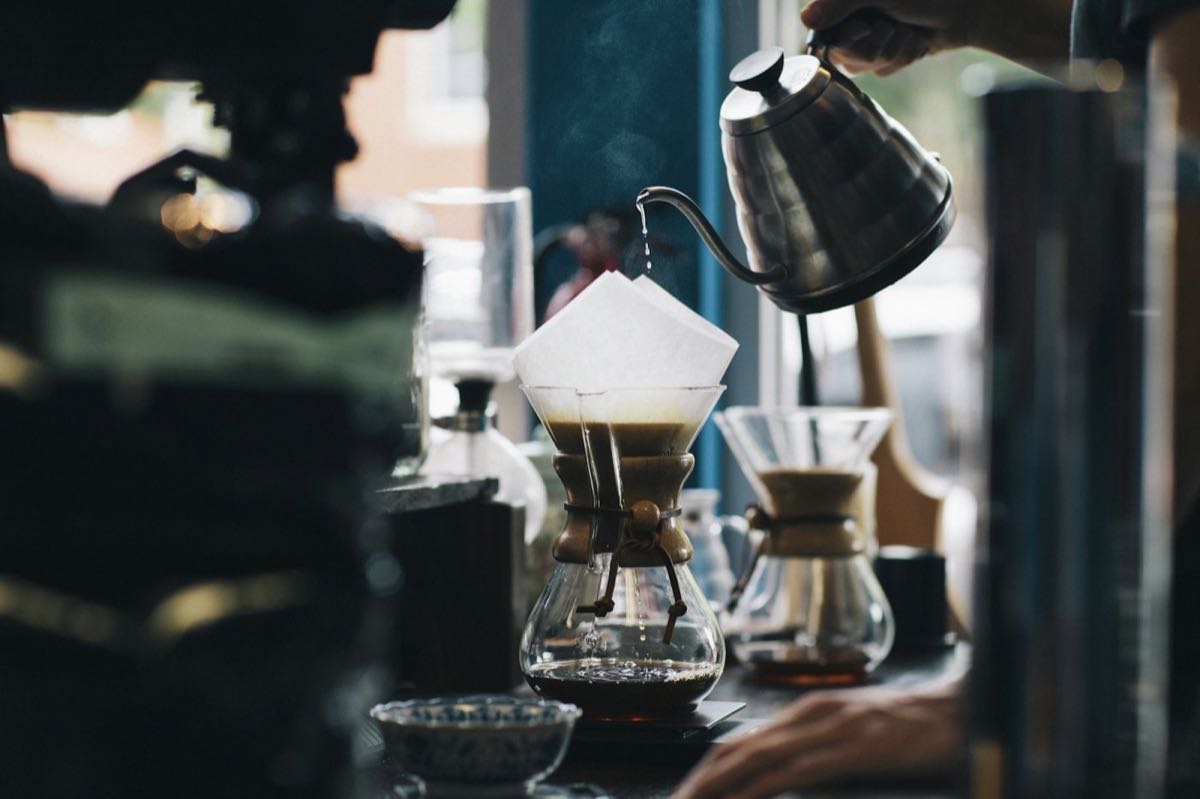
This month's coffee
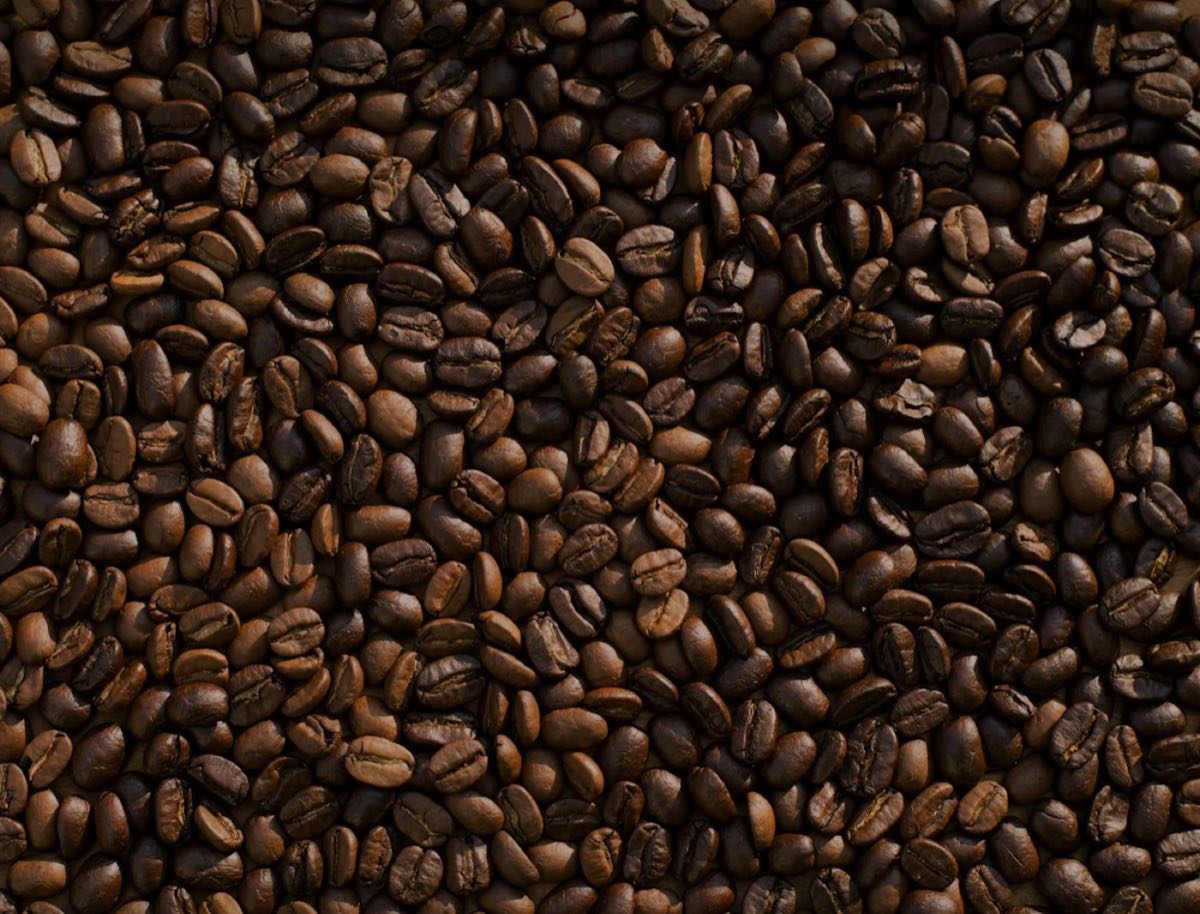
Huila, Colombia
Washed Caturra from a 4-hectare farm at 1,780 m. The lot we buy every year without tasting anything else first.
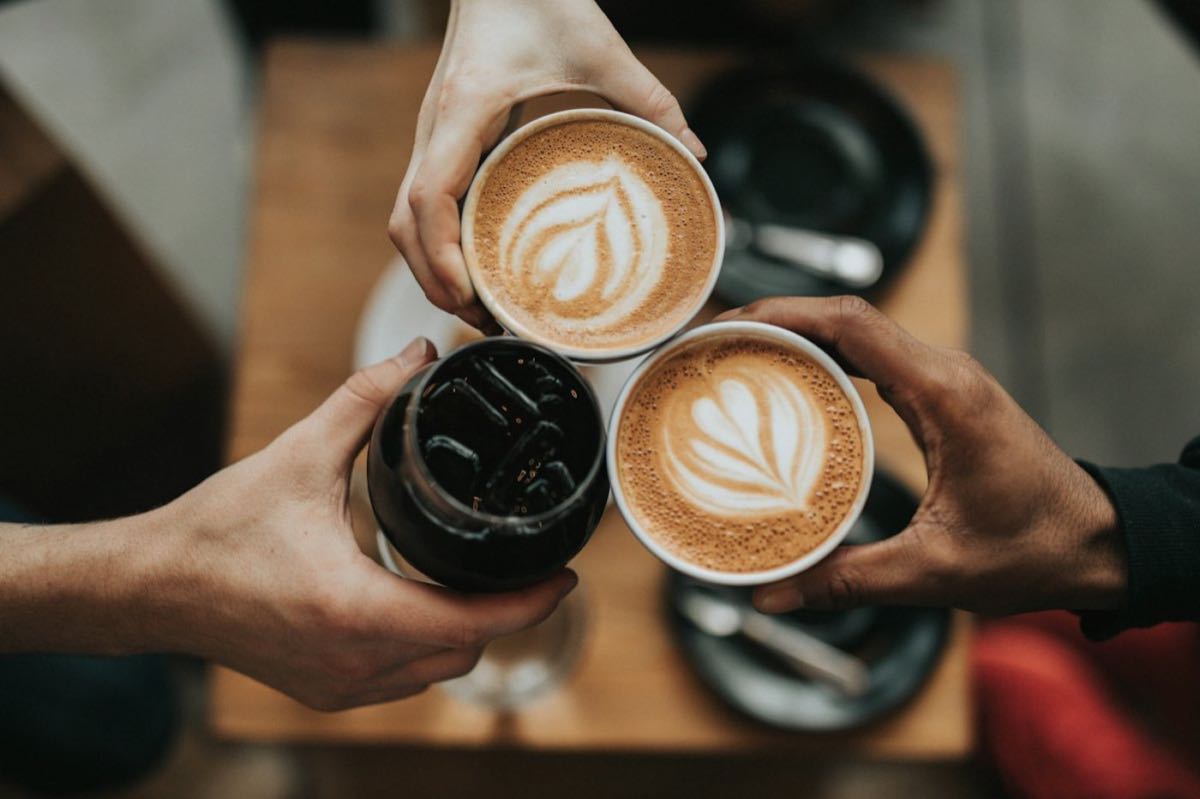
The Assembly Blend
Our house blend for espresso and milk. Brazil, Colombia and a little Ethiopia, roasted for consistency.
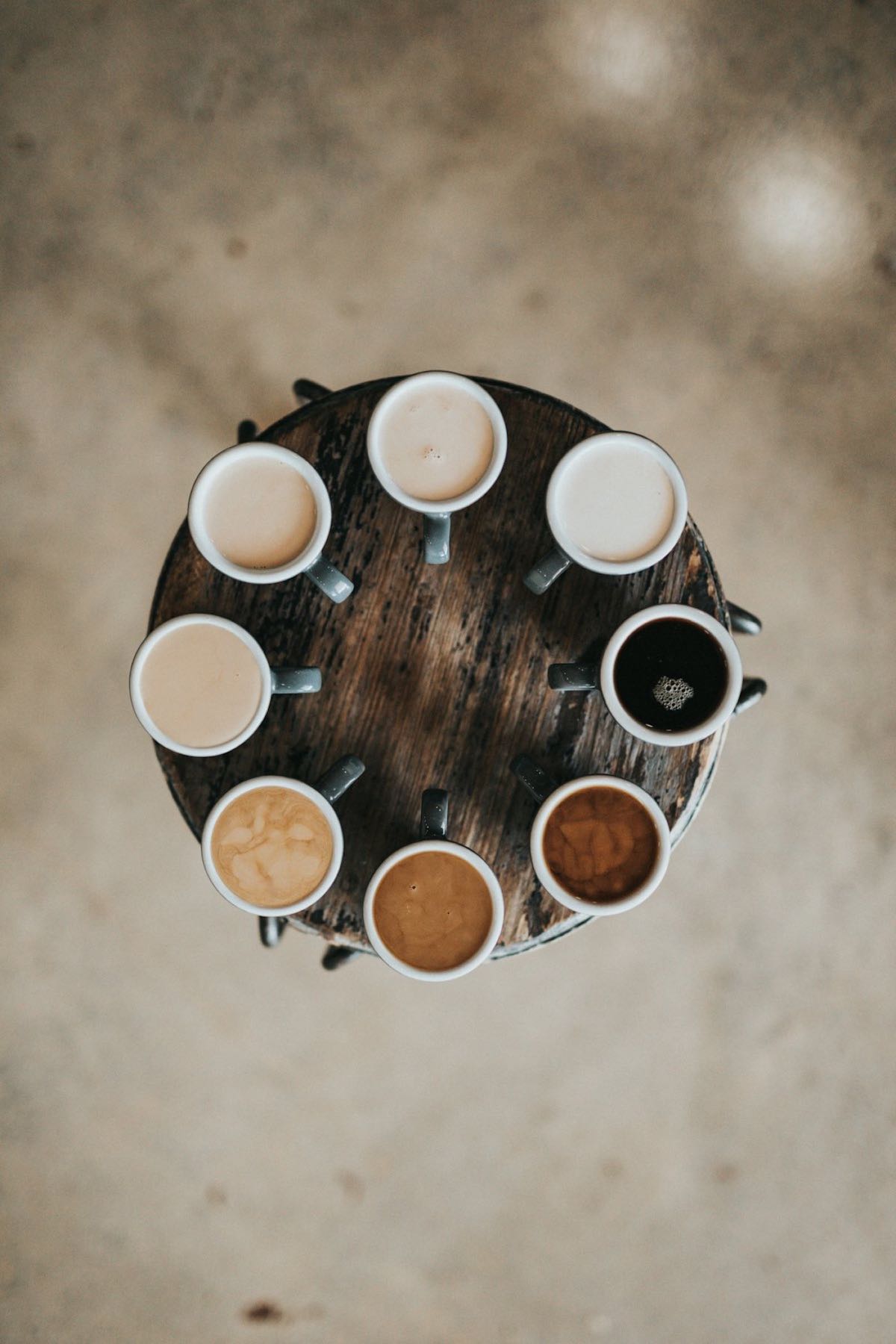
Gedeb, Ethiopia
An anaerobic lot from a washing station we have worked with since 2019. Deliberately strange, deliberately good.
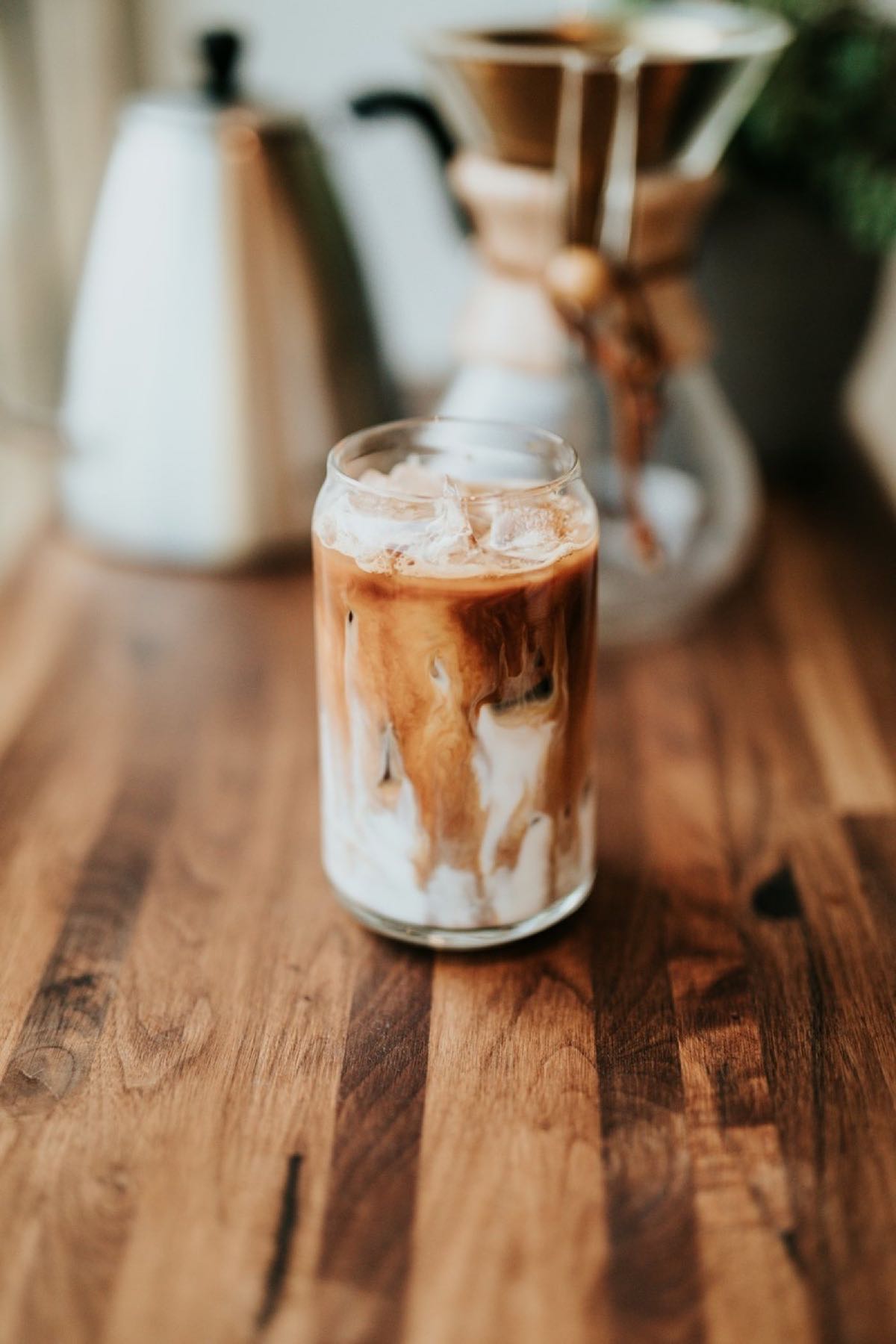
Roasted on Tuesdays and Fridays.
We roast to order, in 12 kg batches, on a 1978 Probat we rebuilt ourselves. Nothing sits in a warehouse for months waiting for a buyer.
Every bag carries the roast date, the producer, the altitude and our cupping score. If a lot does not clear 84 points, we do not buy it — and we publish the ones we turned down.
Filter, four steps
Rinse
Rinse the paper filter with hot water and discard. This removes the paper taste and warms the vessel.
Bloom
20 g coffee, 60 g water. Wait 45 seconds. The bed should rise and settle evenly; if it does not, the coffee is stale.
Pour
Three pours to 320 g, keeping the water level two fingers below the rim. Total brew time 2:45–3:15.
Taste
If it is sharp, grind finer. If it is hollow, grind coarser. Change one variable at a time and keep notes.
“A good lot does not need a story. It needs a roast date and an honest score.”Tom Ellery · Head roaster
From the roastery
Why we publish the lots we reject
Eleven samples this season did not clear 84 points. Here is what was wrong with them.
Milk, and the case for a simpler blend
Why our house blend got shorter, not longer, after five years of café feedback.
Paying producers before the harvest
Our pre-harvest finance agreement, in plain numbers.